Food 3.0: The Future of Dining, from Home Delivery to Metaverse Restaurants


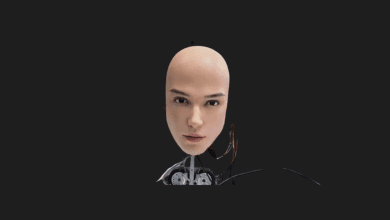
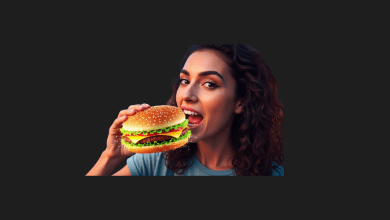
Thanks to ghost kitchens, the concept of a restaurant has moved beyond physical space; drones and robots are increasing speed and efficiency; and artificial intelligence menus and digital experiences are adding a gamified, personal dimension to gastronomy. Will these innovations completely eliminate the human touch, or will they usher in a new golden age?
Imagine this: your dinner arrives at your door via a drone from the sky, your menu is designed by artificial intelligence, a robot waiter serves your table, and you meet up with friends in a virtual restaurant with your digital avatar in the metaverse. While it sounds like science fiction, we are rapidly moving toward this future. This new era, which we can call “Food 3.0,” is preparing to radically change the gastronomic experience. Everyone, from restaurant owners and food enthusiasts to technology investors and visionary entrepreneurs, wants to have a say in this evolution of food culture. So, what exactly awaits us? Let’s take a look at the plate of the future together, in a sincere, educational, and slightly humorous tone.
Ghost Kitchens: The Restaurant That is Everywhere and Nowhere

Ghost kitchens (or dark kitchens) were a thought-provoking start, conceived as restaurants with no signs but operating as if they were everywhere. These kitchens, established solely for delivery, gained momentum during the pandemic and have now transformed into a massive industry. The global market for online-only restaurants was $58.6 billion in 2022; it is expected to reach $177.8 billion by 2032. That’s an appetizing growth! In China, there were 7,500 ghost kitchens operating as of 2020 (compared to about 750 in the UK), and this number is likely much higher today. Currently, Travis Kalanick’s (the founder of Uber) CloudKitchens enterprise holds 25 percent of the ghost kitchen market in the US. Additionally, in Turkey, the prominent and successful organization Migros One | Kitchens holds a very important position.
This concept is based on restaurants reducing rent and staff costs by taking orders only through apps like Yemeksepeti or Uber Eats. The result? Dozens of brands and hundreds of different menus can be created in a single kitchen. Thanks to these invisible kitchens, ordering sushi or tacos from “virtual” restaurants we never knew existed in our neighborhood has become a normal part of daily life.
Moreover, investors are flocking to this space. For example, Rebel Foods (a virtual restaurant chain originating from India) recently received a $175 million investment to expand into the US and the Middle East. For entrepreneurs, ghost kitchens offer the opportunity to scale quickly at a low cost. For consumers, it aligns with a changing lifestyle: in the hustle of city life, people want quality food in the comfort of their homes with just a few taps. In fact, research predicts that by 2030, 50% of the delivery and fast-casual food market could be served by ghost kitchens. This means the “restaurant” of the future might just be a warehouse kitchen—provided it comes right to our door.
Drone Delivery: A Sky-High Takeout Service

Next up in food delivery are drones. In some regions, orders have already started raining down from the sky. For example, in the US, Walmart, in partnership with Alphabet’s Wing, has completed over 150,000 drone deliveries since 2021; even ice cream is among the most frequently ordered items! Wing’s small flying couriers can carry up to 1.2 kg, travel about 20 km, and a single pilot can monitor 32 drones simultaneously. A company called Zipline has drones that break range records, carrying a 4 kg load over 120 km. As a result, while a DoorDash customer in Texas can receive their hot meal from a flying tray, in the suburbs of Brisbane, Australia, drone service has become “a part of daily life.”


Asia is not standing still either. In China, the company Meituan delivered over 100,000 meals via drone in the city of Shenzhen during 2022. South Korea has established drone routes to deliver medicine and food to islands with geographical challenges. Drones eliminate traffic problems, significantly shortening delivery times. Research predicts the global delivery drone market will soar from $528 million in 2024 to $10.5 billion by 2034 (a 33% annual growth). On the consumer side, the expectation of “right now” is rising: while 90% of today’s customers see 2-3 day shipping as normal, 30% want same-day delivery. Drones are the perfect toy for this age of speed.
Of course, making food rain from the sky has its obstacles: weather conditions, regulations, and cost. Currently, the cost of a drone delivery is much higher than traditional methods. However, as technology develops and scale increases, these costs are expected to fall. It seems we will soon get used to couriers buzzing around our neighborhoods (though the “giant mosquito” sound may be annoying at first, those who have adapted seem pleased). According to a McKinsey report, as early as the beginning of 2022, 2,000 drone deliveries were being made daily worldwide—this figure is multiplying today. It won’t be long before we might step out onto our balconies instead of into our kitchens, waiting for a “flying saucer” for dinner!
AI Chefs and Smart Menus

The revolution in the kitchen isn’t just coming from flying robots; artificial intelligence (AI) is also rewriting the formulas of flavor. For instance, a restaurant soon to open in Dubai called WOOHOO is bringing an AI chef named “Chef Aiman” into its kitchen. Aiman is a large language model trained on thousands of recipes from around the world and years of food science data. It’s not a robot arm holding a cookbook; instead, it designs the menu, analyzes ingredients at a molecular level, and suggests unusual flavor combinations. This AI chef, capable of preparing over 200 international dishes without human intervention, can’t taste or smell for now, but it works alongside experienced human chefs, continuously learning from their feedback. Its goal is to reduce waste by creating recipes that repurpose ingredients like meat and vegetable scraps that are often thrown away. “AI will not replace humans, but it will elevate their creativity to a different level,” say the project’s founders. Don’t be surprised if we soon order “Aiman kebab with a special sauce.”
AI kitchens aren’t limited to futuristic restaurants. Even world-famous fast-food chains have hired artificial intelligence. For example, Domino’s Pizza, with its AI-powered demand forecasting system developed with Microsoft, achieved 72% higher accuracy in order planning, thereby reducing ingredient waste and customer wait times. McDonald’s is installing AI-powered voice-ordering kiosks and “smart” kitchen systems in its 43,000 locations worldwide, aiming to speed up order taking and minimize errors. Restaurants like Applebee’s and Outback Steakhouse are experimenting with dynamic pricing on their menus; AI algorithms adjust prices based on real-time demand, weather, and stock levels, increasing both profit and customer satisfaction. These systems can even learn which dishes are more popular at which locations and suggest regional menus.
Another area in the kitchen touched by AI is personalized nutrition (which we will discuss further below). Chain restaurants are using AI to offer personalized recommendations. For instance, IHOP and Applebee’s are preparing to integrate an AI “personalization engine” that suggests new dishes based on customers’ past orders and similar taste profiles. You can think of it as a smart assistant that says, “You might also like this, it’s your style,” when you look at the menu. All this shows that in the future, a chef’s expertise and an algorithm’s data-processing power will go hand in hand. Perhaps our menus will be dynamically shaped according to the season, our mood, and our health data. Digital menus that say, “Feeling tired today? I’ve recommended a Vitamin C-rich smoothie just for you,” are on the way.
Robot Waiters: Mechanical Staff on Duty

You go to a restaurant, and a cute robot with a cat-like face approaches your table carrying a tray… Robot waiters have become a consideration for many businesses, especially in response to the labor shortages that increased after the pandemic. Today, tens of thousands of robot waiters are roaming restaurants worldwide. China leads the way; Pizza Hut has already deployed robot waiters in over 1,000 of its branches in China. These wheeled robots greet customers at the door, guide them to their tables, bring orders from the kitchen, and carry empty plates back. Some models have a cat-like screen for a face, and some even purr when you pet them. In the US, chains like Chick-fil-A have started testing robot waiters in some locations; they assist human employees rather than completely taking their jobs. For example, while the robot brings the food, a human waiter can spend more time with customers, refilling drinks. One business owner says, “Thanks to the robots, we can do the work of 5-6 people with just 3. Plus, customers love the robot and share it on social media, which is great advertising for us.”
Examples of this trend have started to appear in Turkey as well. A restaurant in Istanbul Ataköy made history in Turkey in 2019 by hiring three robot waiters named “Robi.” Although these robots don’t take orders, they can do everything else a normal waiter does—greeting, serving, clearing tables. At first, customers reacted with surprise and interest; some said, “I wished our waiter a good day, and it replied, it’s so sweet,” while others couldn’t get used to it. After all, seeing a warm, smiling human at a restaurant is a different experience. Experts believe that in the future, perhaps 30% of restaurants will continue to offer “luxury” service with all-human staff, while the rest will rely more heavily on robots. So, humans may not be completely phased out, but we will see more “hybrid” models as technology advances.
Robot waiters have limitations as well as advantages: they can’t climb stairs, struggle outdoors, and are not very fast. The US chain Chili’s pulled back the robot waiters it was testing in 60 locations, citing that they were too slow and obstructed human traffic. The famous Chinese hotpot chain Haidilao also reduced its use of robots because it found them inefficient. So, these cute metal friends still have a long way to go. Nevertheless, companies like Pudu Robotics have already sold over 56,000 service robots worldwide. Bear Robotics announced that it would have distributed 10,000 units of its “Servi” robot waiter, released in 2021, by the end of that year. In an age of labor shortages and an obsession with speed, it’s no surprise that restaurants are turning to robots. The joke, “Our waiter is sick, our backup robot will take over,” might soon become a reality.
Metaverse Restaurants and NFT Menus: Towards Digital Gastronomy
The future of the dining experience is not limited to the real world; restaurants and food culture are also budding in virtual universes. The metaverse, popularized after Facebook rebranded as Meta, has whetted the appetite of restaurants. Giant chains are already in a race to claim their space in the virtual world: McDonald’s filed trademark applications for a “metaverse restaurant” in February 2022. The concept involves entering a virtual McDonald’s with our avatar, placing an order, and having the real food delivered to our door. McDonald’s even tried to secure a wide range of digital services in these applications, from hosting virtual concerts and events to NFT collections. Similarly, Panera Bread has rolled up its sleeves for a virtual world concept called “Paneraverse.” It seems that in the near future, it will be possible to put on our VR headsets, meet up with friends at a virtual café, and sip our real coffee. The goal for brands is to be where the customer is—and the metaverse is a new channel. As one brand expert put it: “They don’t want to miss the metaverse train; nobody wants to get stuck in the blocks with new technology and end up like Blockbuster (the defunct video rental chain).”
Speaking of the virtual world, NFT menus and digital food collections are on the rise. An NFT (non-fungible token) is a tool to prove ownership of an asset via a digital certificate. Famous chefs and restaurants have joined this trend. For example, in the US, Gary Vaynerchuk put the membership for a private restaurant to be opened in New York, called “Flyfish Club,” up for sale as an NFT. The NFT you own is essentially your VIP membership card; only token holders can enter. Hundreds of people bought these digital memberships for thousands of dollars, and the restaurant raised significant capital before even opening. Similarly, Top Chef champion Tom Colicchio, along with Spike Mendelsohn, offered “digital pizza” designs for sale as NFTs. The 8,888 unique pizza image NFTs, released in early 2022, sold out quickly. Owners are promised both visuals they can use in the virtual world and access to special events. The duo even plans to open a pizzeria in the metaverse in the future, granting privileges to NFT holders. In a way, the concept of “digital collectible food” is emerging.
In a more widespread application, some restaurants are converting their loyalty programs into NFTs. For example, the American fast-casual restaurant chain Wow Bao launched an NFT-based membership system in 2022. Customers purchase an “access pass” via the blockchain, gaining privileges like early tastings of new products, participation in votes, and special discounts. The system is simplified to appeal even to those unfamiliar with crypto—it can be purchased with a credit card, and the technical aspects of the NFT are handled in the background. The goal is to create a loyal community and give them a special “club” feeling. In the future, we might carry digital badges in our wallets, like a Starbucks coffee mug NFT or a “golden kebab” NFT token from our favorite kebab shop. These badges will provide benefits from discounts to early reservations.
Virtual Reality (VR) and Augmented Reality (AR) are adding entirely new dimensions to the dining experience. The metaverse is reaching a point where it can simulate everything from the ambiance of a five-star restaurant to interactive tasting sessions at home. With VR technology, you can feel like you’re in a Parisian café or a seaside tavern while physically sitting at home. Some pioneering restaurants have even started serving with VR headsets. For instance, at a fine-dining event, guests are immersed in a different VR scene for each course: while starters are served, you find yourself in a rainforest with the sounds of birds; when seafood arrives, you feel like you’re swimming at the bottom of the ocean—and the flavors on the plate are designed to match these themes. Famous gastronomy shows like Sublimotion turn dining into a theatrical performance with projections and VR (an experience that costs thousands of dollars per person). On the AR side, it’s now possible to see a 3D model of your meal on the table by viewing the menu through your phone. Thanks to augmented reality menus, you can examine the dish in full detail, see its ingredients and calories before ordering. This both whets the customer’s appetite, encouraging them to order, and facilitates expectation management.
All these digital innovations are also moving the social aspect of food into the virtual realm. Friends can now meet and eat together in the virtual world, with avatars interacting at a restaurant table. Virtual dinner parties, virtual chef meetups, and virtual tasting events are being organized. For example, a world-renowned chef might conduct a workshop in a virtual kitchen on the metaverse; participants from all over the world cook along with the chef (with VR guidance) in their own kitchens. This removes geographical barriers—you can attend an event in Tokyo from Istanbul and experience it “as if you were there.” You might say it can’t replace real food, but tech companies are already working on devices that can transmit smells and electronic taste simulators. Researchers in Singapore have already developed a prototype device that digitally transmits sweet, salty, sour, and bitter tastes. In the future, we may be able to realistically feel the taste of the food we see in virtual reality.
Personalized Nutrition: Your Artificial Intelligence Dietitian

Everyone’s palate, metabolism, and health needs are different—future food technologies are taking this into account to make personalized nutrition possible. AI-powered applications and devices have already begun to offer you customized diet plans by analyzing data from your genetic makeup to your daily activity, and even your gut microbiome. For example, platforms like ZOE and DayTwo measure users’ blood sugar responses, blood fat profiles, and gut flora to provide real-time recommendations on which foods are good for you and which you should avoid. These systems work with advanced machine learning algorithms to map out each individual’s metabolic “fingerprint.” Let’s say we both ate the same meal, but my blood sugar spikes while yours remains stable—these apps can predict this and chart a “personalized” nutritional path for you. The goal is to create individualized diets that prevent disease and maximize your energy. We can say that everyone will have an AI dietitian.
Startups and large food companies are increasing their investments in this area. Giants like Nestlé have started selling vitamin supplement programs based on personal DNA tests. Next-generation startups are working on integrating with smart kitchen appliances to produce 3D-printed foods with a balanced vitamin content just for you. The market potential is also appetizing: the AI-powered personalized nutrition market, valued at $4.1 billion in 2024, is projected to approach $21 billion by 2034. This means tremendous growth is on the horizon for this sector in the next decade. Consumer behavior is open to this; many of us are now seeking foods that are “good for us” and want recommendations based on our own data rather than generic lists. Wearable devices and smartwatches support this: we collect tons of data from our heart rate to our sleep quality, and the next step is to reflect this data on our dining table.
Perhaps soon, these technologies will be integrated into restaurants. Imagine entering a restaurant and a smart system analyzes your health data (with your permission, of course) and says, “Your iron levels are low today, so I’ve recommended a special spinach dish for you.” Or menus could have different highlights for everyone—a protein bomb for the athlete, a B12-boosted option for the office worker, a low-glycemic index dessert for a diabetic patient. The concept of holistic nutrition will meet technology and enter our daily lives. Of course, this also brings up issues of personal privacy and data security (not everyone may want to share their health data). But if done correctly, it’s a fantastic tool that will help us leave the table healthier. We can say that “Food 3.0” will not only be flavor-focused but also in harmony with our health and unique to us.
The Final Bite: What Awaits Us at the Table of the Future?
It appears that in the coming years, our eating habits will transform in every dimension, from logistics to flavor, from presentation to location. Ghost kitchens have pushed the concept of a restaurant beyond physical space; drones and robots are increasing speed and efficiency; and AI menus and digital experiences are adding a gamified, personal dimension to gastronomy. Will these innovations completely erase the human touch, or will they start a new golden age? Actually, we will be the ones to determine the balance. On one hand, “boutique” restaurants where human contact becomes a luxury and a privilege will remain; on the other, tech-supported, fast, and practical options will serve the masses. Who knows, maybe in the future, restaurants with human waiters will be in the minority and seen as a nostalgic experience. We might hear people say, “I ate at a place served by a human waiter, it was amazing!”
On the other hand, amidst all these technological innovations, one thing remains unchanged: the social and cultural importance of food. Whether it’s a feast in virtual reality or a sushi box delivered by a drone, people will continue to share meals with their loved ones, experience new tastes, and collect stories. The table of the future might be adorned with holograms and NFT plates, but the taste of conversation will still be real. There are plenty of opportunities on the horizon for restaurant owners and entrepreneurs, and for gastronomy enthusiasts, experiences that increasingly push the boundaries. Food 3.0 makes us think: technology is taking a seat at our table, but will we be able to host this guest properly? We will taste the answer to this question together in the coming years. Stay hungry, stay curious!
You Might Also Like;